A fruit-fly lab in your pocket.
Fly Lab.
One tiny subject.
A whole world of consequences.
Feed a fly. Change the climate. Follow its choices, vitals, lifecycle and colony. Every intervention leaves something to observe.
Free to startOptional Full Lab: US $4.99 once · No subscriptionFor iPhone and iPad · iOS 17 or later · English and Danish
Food, water, environment controls, colony development and 1-hour time advances are free. Full Lab adds auto-feed, simulated hazards and longer time advances.
- 01 / REAL TIMELife continues
- 02 / 7 VITALSEvery need visible
- 03 / FULL LIFECYCLEEgg to colony
From question to discovery
Change one thing.
Watch a living system respond.
Every choice leaves evidence. Place a sample, shape the environment and follow what changes now — and what develops later.
- 01Place
Sucrose 
Yeast 
Banana Choose a sample and decide exactly where it lands.
- 02Change
Shape the chamber, one condition at a time.
- 03Watch63Food67Water100Health
Read movement together with the fly’s changing vitals.
- 04Follow
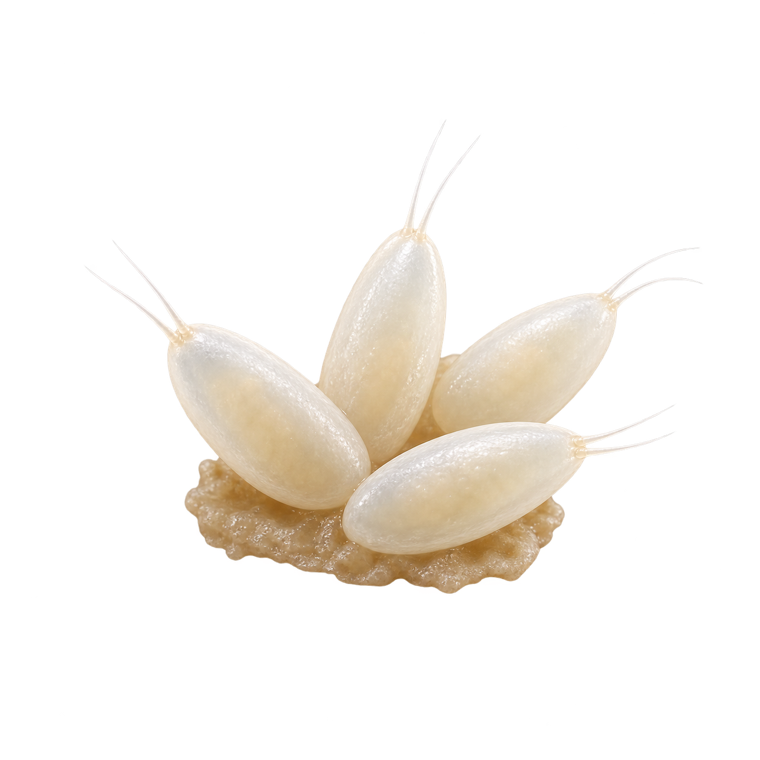
Egg 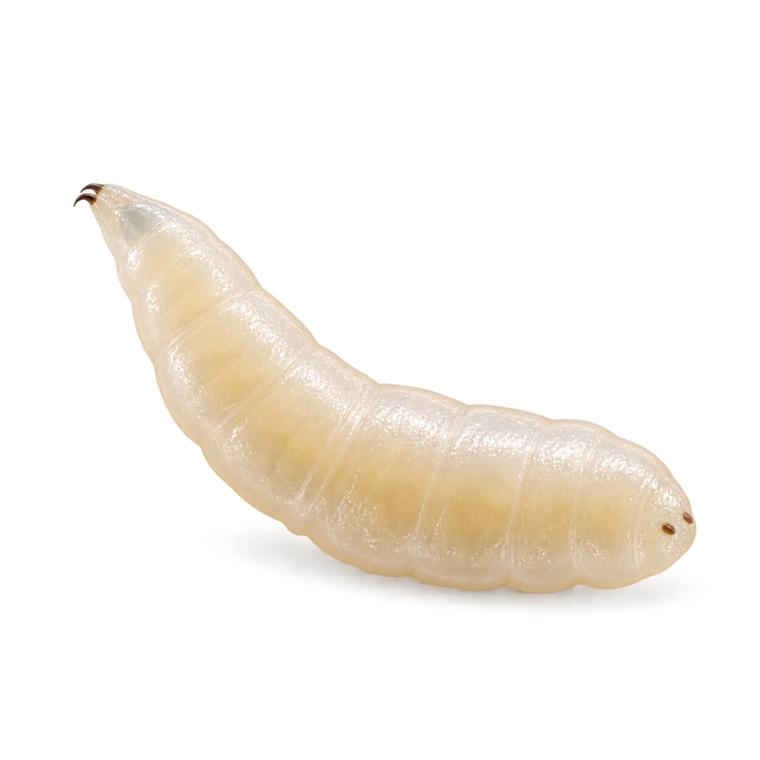
Larva 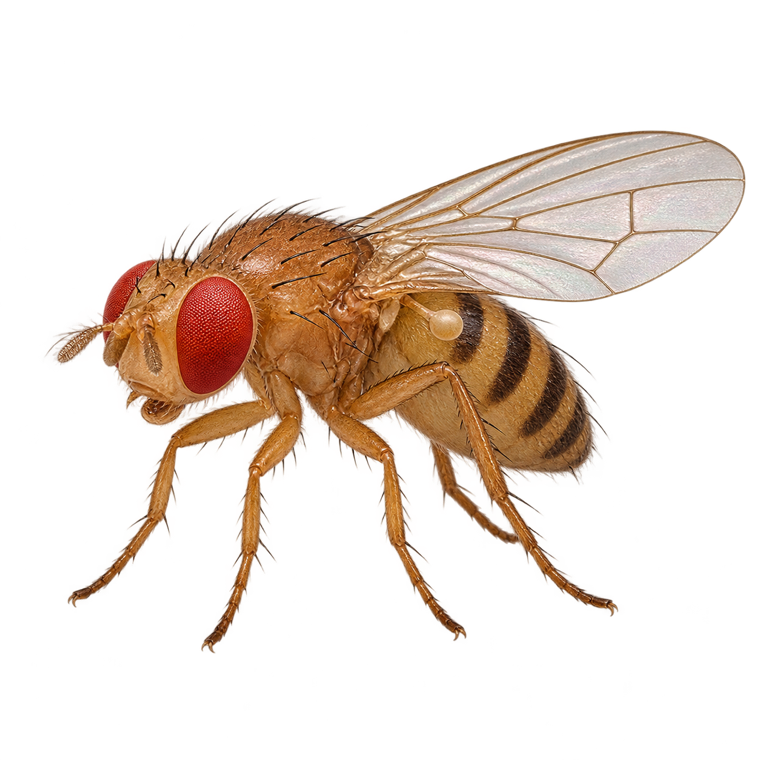
Adult Return later to a story that keeps developing.
LIFE CONTINUESThe chamber keeps developing after you put your phone down.
STAYS ON YOUR DEVICENo account. No tracking. No experiment uploaded.
01 / Place
More than food.
More than one outcome.
Place nutrition, water, substrate or a simulated hazard exactly where you want it. Each sample gives you something different to notice.
Carbohydrate energy. Watch Food and Energy after the fly feeds; a sugar source does not replace protein.
A stronger protein source in the model. Compare it with sucrose while keeping time and temperature the same.
Mixed nutrients and a substrate for developing stages. Watch both individual vitals and the Life tab.
Hydration, not a substitute for food. The outlined drop is water; the filled drop is sucrose.
A modeled stressor that can reduce hydration and increase toxin burden. Harmful scenarios belong only in the simulation.
Can alter behavior and increase toxin burden. Observe movement and Toxin-free together, not just the energy score.
A harmful material in the model. The red stop symbol marks a hazard, not another source of nutrition.
Explore harmful scenarios only in the simulation. Never repeat them on living insects.
02 / Change
Turn one chamber into
many environments.
Move the controls for light, temperature and humidity. Switch the cycle, change the pace and see how different conditions shape what happens next.
03 / Watch
See the reaction
as it happens.
Watch where the fly goes and what it does. Read movement and choices together with seven changing model values.
- Movement
- Choices
- Grooming
- Neural drive
Seven live model readings. Select one to understand what it means.
Food reserves, not hunger.
100 means well supplied in the model. Food falls as reserves are used; sugar and protein are not interchangeable.
Water is a need of its own.
A well-fed fly can still run short of water. Read hydration alongside the environment and the available samples.
Available energy for activity.
Movement and other behaviours use energy. An energetic fly is not necessarily well supplied with protein.
Nutrition beyond sugar.
Protein is a separate reserve in the model. Compare food types rather than assuming every sample does the same thing.
Less toxin, a fuller ring.
Toxin-free reverses the toxin-load scale. A lower value means more modeled toxin burden, not less.
Rested, rather than sleepy.
Rest is the inverse of sleep pressure. A low reading signals a greater need for rest in the model.
Health belongs to one fly.
Check the selected specimen. Health is zero after death; surviving offspring can still be alive in the same chamber.
04 / Follow
The first fly is
only the beginning.
Return later and find a story still unfolding. Follow eggs, larvae, pupae and new adults as one chamber becomes a colony.
Follow the lifecycle- 01
Egg
A new beginning
- 02
Larva
Feeding development
 03
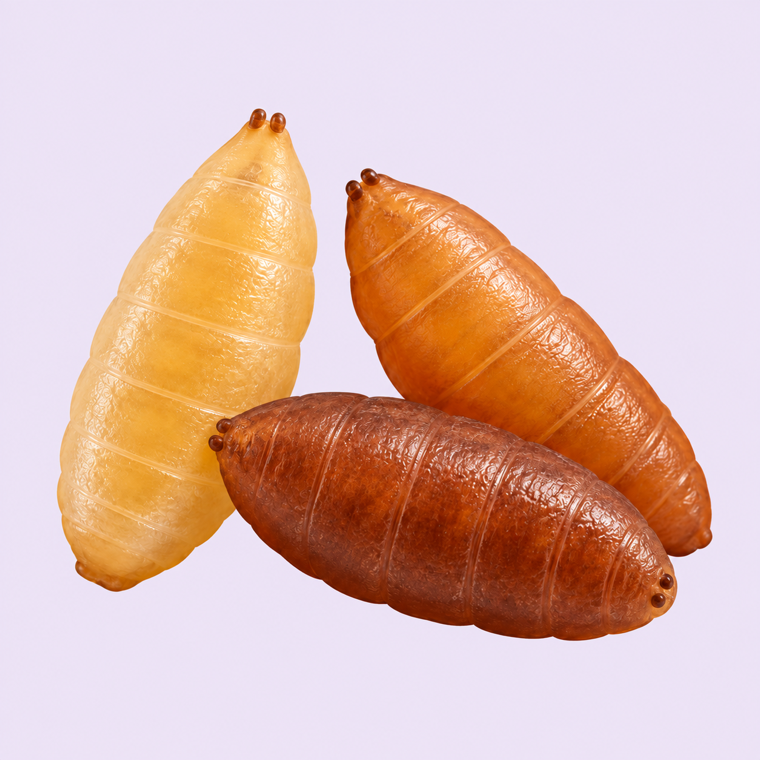
03Pupa
A body in transition
- 04
Adult
A life in the colony
Stage artwork is a stylized representation of Drosophila melanogaster morphology. Development depends on the model’s temperature, substrate and viability; there is no single fixed countdown.
The founder can die while the colony continues. Choose an individual to understand whose story you are reading.
For curious classrooms
Less watching a lesson.
More finding out.
Give each group a question, not an answer. A shared starting point can lead to very different observations.
Open the classroom activityof discovery
- 01Predict before changing anything.
- 02Observe one variable at a time.
- 03Compare. Then question the model.
For classroom iPads. Includes a printable observation sheet. No student account needed.
Curiosity, with context
Inspired by science.
Open about the limits.
Inspired by fruit-fly research. A simplified educational model, not a validated biological prediction tool or a complete brain simulation.
The interesting question is not just “what happened?” It is also “what does this model let us conclude?”
Explore the science and its limits